how to recover Compromised Ledger Nano X
Authorized By: Intel Analyst
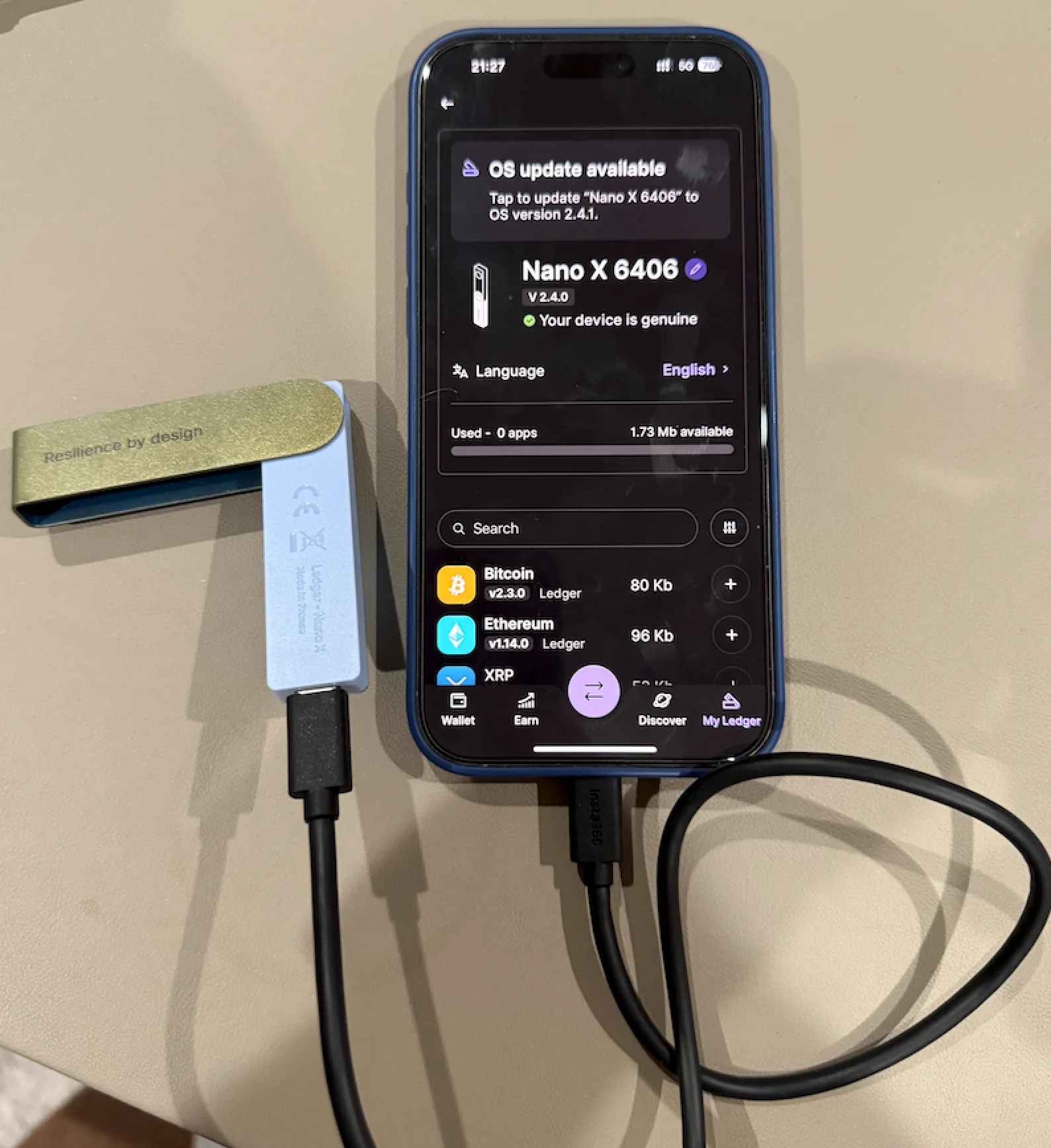
How to Recover Compromised Ledger Nano X: A Crypto-Forensics and Incident Response Guide
A Ledger Nano X is designed to keep private keys protected inside a dedicated hardware security environment. That protection is important, but it does not eliminate every risk associated with a compromised recovery phrase, malicious software, unauthorized device modifications, or a compromised supply chain.
For anyone searching for how to recover Compromised Ledger Nano X, the first priority is to establish whether the wallet remains under your control, whether the recovery phrase may have been exposed, and where any unauthorized transfers went.
These are three different questions. Replacing a hardware wallet may address a device problem, but it will not secure a wallet whose recovery phrase is already known to an attacker. Similarly, tracing stolen cryptocurrency can reveal transaction paths without guaranteeing that the funds can be returned.
Recent reports have brought these risks into sharper focus. In October 2026, Ledger confirmed that an affected user's device contained an unauthorized hardware implant amid an ongoing investigation into cryptocurrency losses associated with reseller CryptoBilis. The company said its own infrastructure had not been compromised. The incident has raised renewed concerns about device provenance and the limitations of relying on a genuine-device check alone.
For victims, the immediate task is not to speculate about the attack. It is to secure any remaining assets, preserve evidence, and begin a structured investigation.
How to Recover Compromised Ledger Nano X: What to Do First
If you suspect your Ledger Nano X has been compromised or discover unauthorized cryptocurrency transfers, take the following steps in order.
1. Protect any remaining cryptocurrency
If your recovery phrase may have been exposed, treat every wallet derived from that phrase as potentially compromised.
Using a trusted device in a secure environment, create a new wallet with a freshly generated recovery phrase and transfer any remaining assets to addresses controlled by that new wallet. Verify destination addresses and transactions carefully.
Do not restore the potentially compromised wallet using the same recovery phrase and assume the problem has been resolved. An attacker who already knows that phrase may continue to access the associated accounts, even if you replace the original hardware.
If a device is suspected of containing a physical implant, preserve it for examination rather than opening or modifying it yourself. Where immediate asset protection and evidence preservation conflict, seek qualified incident-response guidance promptly.
Never enter your recovery phrase into a website, online recovery form, support chat, or investigator's intake form. A legitimate forensic investigation does not require you to disclose your secret recovery phrase.
2. Determine whether the device or recovery phrase was compromised
A drained wallet does not automatically prove that the hardware wallet was tampered with.
Investigators should examine several possible explanations:
- A recovery phrase was copied, photographed, disclosed, or stored insecurely.
- Malware or unauthorized software on a connected computer exposed sensitive information.
- A transaction was approved without the owner's informed understanding of its contents.
- A device was modified before reaching the purchaser.
- A recovery phrase or wallet was compromised through another, unrelated channel.
The evidence needed to distinguish these possibilities varies. Relevant material may include device purchase records, setup history, firmware information, operating-system logs, transaction records, and the physical device itself.
A successful genuine-device check should not be treated as proof that every physical component is free of unauthorized modifications. Conversely, a suspicious seller or a successful theft does not independently establish that a hardware implant was responsible.
3. Preserve transaction and device evidence
Do not delete wallet applications, wipe the original computer, discard packaging, or dismantle a potentially compromised device before considering the forensic implications.
Preserve:
- The wallet model and available device-identification details.
- Purchase receipts, seller information, packaging, and shipping records.
- Relevant wallet-application and operating-system logs.
- The date and approximate time of the suspected compromise.
- Transaction hashes, wallet addresses, token contract addresses, and network names.
- Exchange notifications, issuer correspondence, police reports, and case references.
- Screenshots and original files documenting the incident.
A transaction hash is usually more useful to a blockchain investigator than a screenshot showing a balance. It allows the underlying transaction to be examined directly on the relevant network.
What Happens When a Ledger Nano X Is Compromised?
Understanding the attack mechanism helps determine the appropriate response.
Hardware wallets generally protect private keys by keeping sensitive cryptographic operations inside a dedicated security component. However, the complete security of a wallet also depends on how the device is manufactured, distributed, initialized, used, and supported.
In a supply-chain attack, a device may be modified before it reaches the purchaser. Depending on the design, an unauthorized component could potentially interfere with sensitive information or introduce another route for compromise.
In the October 2026 CryptoBilis investigation, Ledger confirmed an unauthorized hardware implant in one affected user's device. Reporting has described a suspected implant beneath the screen, but the precise mechanism and its relationship to individual thefts must be distinguished from independently established findings.
If a recovery phrase is exposed, an attacker may be able to recreate the wallet on another device and transfer its assets. The attacker does not necessarily need to possess the original Ledger.
This is why the response must focus on the security of the recovery phrase and the control of the associated accounts, not merely on whether the original device still works.
Case Study: A Reported $214,186 Loss Involving a Ledger Nano X
A separate incident account illustrates the investigative challenges that arise when a wallet passes an authenticity check but funds are subsequently reported missing.
According to the account, a purchaser acquired a Ledger Nano X from a Thai e-commerce storefront presenting itself as “Ledger Thailand.” The device arrived sealed, was initialized using Ledger Live on a MacBook, and reportedly passed the Genuine Check.
The account states that the wallet was initialized more than once with newly generated recovery phrases. The owner subsequently began receiving ETH and TRX. Several days later, cryptocurrency valued at approximately $214,186 was reportedly missing.
The victim suspected that the device might have been compromised before purchase and began tracing the resulting transactions.
What the reported investigation identified
The account identified an Ethereum victim address and a Tron victim address, together with an initial Ethereum destination address. It also described subsequent movements involving cross-chain infrastructure, THORChain, Bitcoin transactions, and later Ethereum transfers.
The victim further reported that two USDT-holding addresses had been frozen following engagement with Tether and law enforcement.
These details provide useful investigative leads, but the distinction between reported findings and independently verified conclusions remains essential. The supplied account does not, by itself, establish the hardware compromise mechanism, the identity of the address controller, or the final recovery outcome.
What a forensic investigation should establish
A defensible investigation would begin by verifying the relevant transaction hashes, amounts, timestamps, and token transfers directly against the public blockchains.
Investigators would then reconstruct the transaction graph, identify the relevant bridge or swap operations, and reconcile transfers across networks. They would distinguish verified movements from inferred connections and avoid attributing an address to a specific individual without supporting evidence.
Separately, a hardware examiner would assess the physical device and any available manufacturer records. Computer forensics could examine the setup environment for evidence of malware or other routes of recovery-phrase exposure.
The purpose is to test competing explanations against evidence, rather than assume that one theory accounts for every part of the incident.
How Blockchain Forensics Can Help Trace Stolen Ledger Funds
Once an unauthorized transfer has occurred, blockchain forensics can help reconstruct the movement of cryptocurrency and identify potential intervention points.
Transaction tracing across networks
A tracing investigation may follow assets from the original victim wallet through intermediary addresses, token swaps, bridges, exchanges, and other services.
The analyst should document the transaction hash, network, asset, quantity, timestamp, and destination for each relevant movement. Cross-chain transfers require particular care because assets appearing on different networks cannot automatically be treated as a direct, one-to-one transfer.
A structured transaction graph helps distinguish the original theft from later movements and provides a clearer picture of the assets that may remain traceable.
Exchange and service-provider identification
Where the transaction trail reaches an identifiable exchange or service provider, investigators may be able to submit an evidence package requesting review of the relevant activity.
The package should include the victim's account of the incident, the relevant addresses and transaction hashes, the estimated loss, supporting records, and any available police or regulatory case references.
An exchange interaction can be an investigative lead, but it does not automatically identify the person controlling the funds. Any account attribution must be established through appropriate records and lawful processes.
Stablecoin freezing and recovery prospects
Certain stablecoin issuers can restrict transfers involving supported tokens at specific addresses. Where stolen funds remain in a form that can be frozen, timely reporting and well-documented evidence may create an opportunity to restrict their movement.
A freeze is not the same as a refund. The assets may remain restricted while the issuer reviews the case or awaits appropriate legal documentation.
A responsible investigation therefore tracks four separate figures:
- The total loss reported by the victim.
- The value traced through verified transactions.
- The value confirmed as frozen or otherwise restricted.
- The amount actually returned to the rightful owner.
This prevents a tracing result or a reported freeze from being misrepresented as a completed recovery.
Why Speed Matters in a Cryptocurrency Theft Investigation
Cryptocurrency transfers can occur rapidly, and stolen assets may move through multiple addresses or networks before a victim understands what has happened.
Early action helps preserve transaction records, capture relevant device and computer evidence, and notify service providers while identifiable assets may still be accessible to intervention.
However, urgency should not become an excuse to bypass verification. Victims should be wary of anyone demanding an upfront payment to unlock a wallet, requesting their recovery phrase, promising guaranteed recovery, or claiming to have special access to an exchange or blockchain.
Blockchain transactions are not reversed simply because a victim files a report. Recovery depends on the facts of the incident, the assets involved, the available evidence, the location of the funds, and any applicable legal or technical intervention.
Open a Ledger Compromise Case With TheCyberIntelLabs
If your Ledger Nano X has been drained, you suspect unauthorized hardware modification, or you need help tracing cryptocurrency that has moved across multiple blockchains, a structured forensic investigation can help establish what happened and identify the available next steps.
TheCyberIntelLabs provides a route for victims to submit a detailed incident for review by its forensic experts, with an emphasis on rapid incident response and urgent case assessment. Victims seeking immediate or 24/7 response should use the organization's official contact channel to confirm current availability and arrange an appropriate response.
A case review may cover the following areas, depending on the evidence and the agreed scope:
- Blockchain transaction tracing: Reconstruction of unauthorized transfers across supported networks.
- Digital evidence preservation: Review of relevant logs, screenshots, purchase records, and incident timelines.
- Wallet compromise assessment: Examination of plausible recovery-phrase exposure, device tampering, and related compromise scenarios.
- Cross-chain analysis: Correlation of transfers involving bridges, swaps, and intermediary addresses.
- Exchange and issuer reporting support: Preparation of evidence that can be submitted through appropriate official channels.
- Incident-response planning: Prioritization of remaining asset protection, evidence preservation, and follow-up investigation.
No forensic provider can guarantee that stolen cryptocurrency will be recovered. The objective is to establish a reliable account of the incident, identify actionable leads, and support informed decisions based on the evidence.
What to include when opening your case
To help the forensic team assess the incident efficiently, prepare the following information where available:
- Device details: Ledger model, purchase date, seller or marketplace, and any available device or firmware information.
- Incident timeline: When the wallet was initialized, when funds were deposited, when the theft was discovered, and when unauthorized transfers occurred.
- Affected assets: Cryptocurrency types, approximate quantities, networks, and estimated loss.
- Blockchain evidence: Victim addresses, transaction hashes, destination addresses, and known intermediary transactions.
- Supporting records: Purchase receipts, relevant logs, screenshots, exchange correspondence, and police report references.
- Actions already taken: Whether the remaining assets have been secured, the device preserved, or any funds reportedly frozen.
Do not include your PIN, private keys, recovery phrase, passwords, or authentication codes in your submission.
Request a detailed forensic case assessment through TheCyberIntelLabs' official contact channel. Include the subject line Urgent Ledger Nano X Compromise — Blockchain Forensics and Incident Response and identify any immediate risk to remaining funds.
For urgent cases, clearly state that rapid response is requested and ask for confirmation of the response team's availability, scope, and next steps before sharing sensitive supporting records.
Frequently Asked Questions
How to recover Compromised Ledger Nano X if the funds have already been stolen?
Can a compromised Ledger Nano X pass the Genuine Check?
Should I reset my Ledger after a suspected compromise?
Can stolen USDT be frozen?
Can TheCyberIntelLabs guarantee cryptocurrency recovery?
Technical Assistance Required?
Discuss your security concerns with our expert analysts in a confidential environment.
Discussion
Load comments when you are ready. This avoids background network calls during page navigation.